Understanding Lighter MOQs: A Complete Buyer's Guide
Navigate wholesale lighter minimum order quantities with confidence. This comprehensive guide covers MOQ ranges, negotiation tactics, and hidden costs to help you secure the best deals.
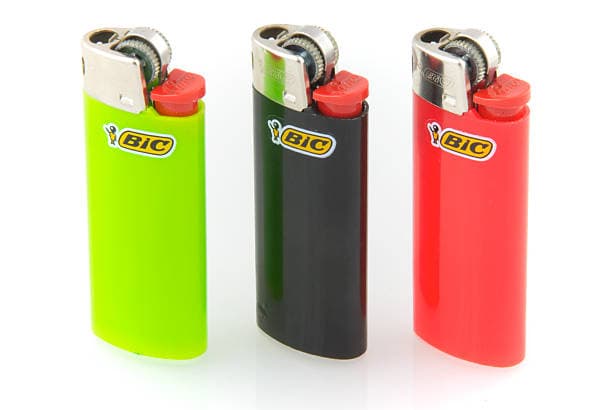
TL;DR
Wholesale lighter MOQs range from 1,000 units for refillables to 100,000+ for disposables, with customization often doubling minimums. Successful buyers negotiate using payment terms, seasonal timing, and multi-product strategies while factoring hidden costs like storage and compliance testing into total procurement costs.
Understanding Lighter MOQs: A Complete Buyer's Guide
Navigating wholesale lighter MOQ requirements can make or break your procurement strategy. Minimum order quantities for wholesale lighters typically range from 1,000 units for premium refillable models to 100,000+ units for basic disposables, with custom branding often doubling these minimums. Understanding these requirements and the factors that influence them is crucial for B2B buyers looking to optimize their purchasing decisions.
As a Product Compliance Specialist with over a decade in the wholesale lighter industry, I've seen countless buyers struggle with MOQ negotiations. The key is understanding that these minimums aren't arbitrary—they're driven by manufacturing economics, setup costs, and market dynamics that savvy buyers can leverage to their advantage.
What Are Standard Wholesale Lighter MOQ Ranges?
Minimum order quantity lighters vary significantly based on product type, customization level, and manufacturer location. Disposable lighters typically require 50,000-100,000 units minimum due to high-volume production economics, while refillable lighters range from 1,000-5,000 units because of their higher per-unit value and manufacturing complexity.
The manufacturing setup costs drive these requirements. Tooling and mold setup for custom lighters ranges from $2,000-$15,000, which manufacturers must amortize across minimum order quantities to maintain profitability.
| Lighter Category | Standard MOQ Range | Custom MOQ Range | Lead Time |
|---|---|---|---|
| Disposable Basic | 50,000-75,000 | 100,000-150,000 | 15-21 days |
| Refillable Standard | 1,000-3,000 | 5,000-8,000 | 25-35 days |
| Electronic/USB | 3,000-5,000 | 10,000-15,000 | 35-45 days |
| Promotional/Novelty | 10,000-25,000 | 30,000-50,000 | 20-30 days |
| BBQ/Torch Style | 2,000-4,000 | 8,000-12,000 | 30-40 days |
These ranges reflect current market standards as of 2026. However, bulk lighter order minimums can be negotiated based on several key factors we'll explore throughout this guide.
First-Time Buyer vs. Established Customer MOQs
New buyers typically face 25-50% higher MOQs compared to established customers. This premium reflects the manufacturer's risk assessment—unproven buyers represent higher default risk and unknown ordering patterns.
For example, a first-time buyer might face a 75,000-unit minimum for disposable lighters, while an established customer with a solid payment history could secure the same order at 50,000 units. Building this relationship typically requires 2-3 successful orders before qualifying for preferred customer status.
How Product Type Affects MOQ Requirements
Lighter wholesale minimums vary dramatically across product categories due to differences in manufacturing complexity, component costs, and market positioning. Understanding these category-specific requirements helps buyers align their procurement strategy with realistic expectations.
Disposable Lighter MOQs
Disposable lighters represent the highest volume, lowest margin segment of the market. Standard disposable lighters typically require 50,000-100,000 unit minimums because manufacturers rely on economies of scale to maintain profitability.
The production economics are straightforward: setup costs for a basic disposable lighter run average $3,000-$5,000. When spread across 50,000 units, this adds $0.06-$0.10 per lighter. However, spread across just 10,000 units, setup costs would add $0.30-$0.50 per unit—often exceeding the entire profit margin.
Refillable and Premium Lighter MOQs
Refillable lighters command higher per-unit prices, allowing manufacturers to work with lower MOQs. Quality refillable lighters typically start at 1,000-5,000 unit minimums, making them more accessible for smaller retailers or businesses testing new product lines.
The key difference is margin structure. While a disposable lighter might generate $0.10-$0.20 gross profit per unit, refillable models can provide $2-$10 per unit margins, allowing manufacturers to absorb setup costs across smaller production runs.
Electronic and Specialty Lighter MOQs
Electronic lighters, including USB rechargeable and plasma models, require specialized components and more complex assembly processes. This typically drives MOQs to 3,000-10,000 units for standard models, with custom versions requiring 10,000-15,000 units minimum.
The higher MOQs reflect component sourcing requirements. Electronic components often have their own MOQs from suppliers, and manufacturers must order sufficient quantities to secure competitive pricing on circuit boards, batteries, and charging components.
Regional Manufacturing Differences in MOQ Requirements
Manufacturing location significantly impacts MOQ structures due to differences in labor costs, production capabilities, and market positioning. Chinese manufacturers typically offer the highest MOQs but lowest per-unit costs, while European and US manufacturers provide lower MOQs with premium pricing.
Chinese Manufacturing MOQs
Chinese manufacturers dominate the global lighter market, offering competitive pricing through high-volume production. Standard MOQs from established Chinese suppliers typically require 50,000-100,000 units for disposables and 3,000-8,000 units for refillables.
The advantage of Chinese manufacturing lies in scale economics. Large factories can spread fixed costs across massive production runs, delivering unit costs 30-50% lower than Western manufacturers. However, this requires buyers to commit to substantial inventory investments.
European and North American MOQs
Western manufacturers typically offer more flexible MOQ structures, often starting at 25,000-50,000 units for disposables and 1,000-3,000 units for premium products. This flexibility comes at a premium, with unit costs typically 40-70% higher than Asian alternatives.
The trade-off often makes sense for buyers prioritizing quality control, faster turnaround times, or specific certifications. European manufacturers excel at meeting stringent EN 13869 safety standards, while US manufacturers understand CPSC compliance requirements that can trip up international suppliers.
Emerging Market Opportunities
Manufacturers in Vietnam, India, and other emerging markets often offer competitive MOQs as they build market share. These suppliers frequently accept 20,000-40,000 unit minimums for disposables while maintaining competitive pricing.
The risk-reward calculation varies significantly. Emerging market manufacturers may offer attractive terms to build relationships, but buyers must carefully evaluate quality control capabilities and compliance track records before committing to large orders.
Customization Impact on Minimum Order Quantities
Custom requirements significantly increase MOQ demands due to additional setup costs, tooling requirements, and production complexity. Basic custom colors typically add 20-30% to standard MOQs, while logo printing increases minimums by 50-75%, and unique molding can triple standard requirements.
Logo and Branding MOQ Increases
Adding custom logos or branding to lighters requires additional production steps and setup costs. Screen printing setups range from $500-$2,000 depending on design complexity, while pad printing can cost $1,000-$3,000 for multi-color designs.
Promotional lighters with custom branding typically jump from 10,000-unit standard minimums to 30,000-50,000 units. This increase reflects not just setup costs, but also the need to amortize design and approval processes across larger production runs.
Custom Color and Finish Requirements
Custom colors require dedicated production runs to avoid color contamination between batches. Standard colored lighters might require 50,000-unit minimums, while custom Pantone colors often demand 75,000-100,000 units to justify the additional setup and cleaning requirements.
Special finishes like metallic coatings, rubberized grips, or textured surfaces add further complexity. These processes typically increase MOQs by 40-60% over standard models due to specialized equipment requirements and longer production times.
Packaging and Presentation Customization
Custom packaging represents an often-overlooked MOQ factor. Standard bulk packaging might allow for lower minimums, but custom retail packaging can add 10,000-25,000 units to minimum requirements due to packaging supplier MOQs and die-cutting setup costs.
Counter displays, custom boxes, and branded packaging materials each carry their own minimum requirements. Buyers planning comprehensive retail programs should factor these additional minimums into their total order calculations.
Effective MOQ Negotiation Strategies
Successful MOQ negotiations require understanding manufacturer cost structures and identifying win-win opportunities. Payment terms, order timing, and multi-product commitments represent the most effective negotiation leverage points for reducing minimum order requirements.
Payment Terms as Negotiation Tools
Manufacturers often reduce MOQs by 10-20% when buyers offer improved payment terms. Standard industry terms typically require 30% deposits with balance due before shipment, but buyers offering 50%+ upfront payment can secure meaningful MOQ reductions.
The cash flow benefit to manufacturers is substantial. Early payments help cover raw material costs and reduce working capital requirements. For buyers with strong cash positions, this represents an often-overlooked negotiation opportunity.
Seasonal Timing Advantages
Peak season timing can reduce MOQs by 30-50% as manufacturers seek to maximize capacity utilization. Q4 traditionally represents the highest demand period for lighters, but manufacturers often offer attractive terms for Q1-Q2 orders to maintain steady production schedules.
Counter-seasonal ordering provides multiple benefits: reduced MOQs, better pricing, and priority production slots. Buyers willing to hold inventory through slower periods can secure significantly better terms than those competing for peak season capacity.
Multi-Product Order Strategies
Combining different lighter models can reduce individual SKU MOQs by 25-40% when total order value exceeds $50,000. Manufacturers value large, diversified orders that utilize multiple production lines and reduce per-order administrative costs.
For example, a buyer might negotiate 30,000-unit minimums for both disposable and refillable lighters when ordering both categories together, compared to 50,000 and 5,000-unit minimums respectively for separate orders.
Hidden Costs Beyond MOQ Considerations
Smart buyers evaluate total cost of ownership beyond unit prices and MOQs. Storage costs, cash flow implications, quality control expenses, and compliance testing can significantly impact the true cost of large minimum orders.
Inventory Carrying Costs
Large MOQs require substantial inventory investments that tie up working capital. Industry standards suggest inventory carrying costs of 20-25% annually, including storage, insurance, obsolescence risk, and opportunity cost of capital.
A 100,000-unit disposable lighter order worth $50,000 might incur $10,000-$12,500 in annual carrying costs. Buyers should factor these ongoing expenses when comparing suppliers with different MOQ requirements and pricing structures.
Quality Control and Testing Costs
Large orders require proportional quality control investments. ISO 9994 compliance testing typically requires 1,000-unit samples for proper batch validation, while CPSC child-resistance testing demands additional sample quantities.
Professional inspection services add $0.02-$0.05 per unit for large orders, representing $2,000-$5,000 additional costs for 100,000-unit orders. However, these investments prove crucial for maintaining quality standards and avoiding costly recalls or compliance issues.
Compliance and Certification Expenses
Safety certifications often require separate MOQ considerations beyond production minimums. EN 13869 testing might require 2,000-unit samples, while ASTM F400 compliance testing demands additional quantities for comprehensive validation.
Certification costs typically range $1,500-$3,000 per standard, with additional per-unit testing fees of $0.01-$0.03. Buyers should clarify whether quoted MOQs include certification samples or require additional units for compliance testing.
Building Long-Term Supplier Relationships
Developing strategic supplier partnerships can dramatically improve MOQ flexibility over time. Manufacturers invest in relationships with reliable, high-volume customers by offering preferential terms, including reduced minimums and priority production scheduling.
Volume Commitment Programs
Many suppliers offer annual volume commitment programs that reduce per-order MOQs in exchange for guaranteed yearly purchases. These agreements typically require 500,000-1,000,000 unit annual commitments but can reduce individual order minimums by 40-60%.
The structure allows buyers to spread large commitments across multiple smaller orders, improving cash flow and inventory management while securing better unit pricing and MOQ terms.
Exclusive Partnership Benefits
Exclusive or semi-exclusive partnerships often unlock the most favorable MOQ terms. Suppliers value predictable, substantial volume commitments and reward exclusivity with significant concessions on minimums, pricing, and customization requirements.
However, exclusivity agreements require careful evaluation of supplier capabilities, market coverage, and long-term viability. The benefits of improved MOQ terms must be weighed against reduced supplier flexibility and competitive leverage.
Navigating MOQs for Different Business Models
Business model considerations significantly impact optimal MOQ strategies. Convenience store chains require different approaches than promotional product companies or import/export businesses targeting diverse markets.
Convenience Store Chain Strategies
Convenience store chains benefit from predictable, high-volume demand that aligns well with standard MOQ structures. These buyers can typically meet 50,000-100,000 unit minimums for disposable lighters while maintaining reasonable inventory turnover.
The key advantage lies in demand predictability. Established chains can forecast lighter sales based on historical data, allowing them to commit to larger MOQs with confidence while securing better unit pricing through volume commitments.
Promotional Product Company Approaches
Promotional product companies face unique MOQ challenges due to project-based demand and customization requirements. These businesses often require flexibility to handle varying client needs while managing inventory efficiently.
Successful promotional buyers often maintain stock of popular base models meeting minimum MOQs, then add custom branding as client projects develop. This approach balances inventory investment with client service capabilities.
Distributor and Reseller Considerations
Distributors must balance MOQ requirements against market demand uncertainty. Successful distributors often focus on building relationships with multiple suppliers to access varying MOQ structures and product lines.
The strategy involves identifying core products that justify large MOQ commitments while maintaining relationships with specialized suppliers for niche or custom requirements that might not meet standard minimum quantities.
"Understanding MOQ structures is just the beginning. The most successful buyers view minimums as negotiation starting points rather than fixed requirements, then build procurement strategies that align supplier economics with their business needs." - Industry veteran with 20+ years in lighter procurement
For buyers ready to explore wholesale lighter options, our product catalog showcases the full range of available models across all categories. When you're ready to discuss specific MOQ requirements for your business, request a quote to start the conversation with our procurement specialists.
Remember that MOQ negotiation is an ongoing process. As your relationship with suppliers develops and your order history grows, opportunities for improved terms will emerge. The key is maintaining professional relationships while clearly communicating your business needs and growth projections.
Frequently Asked Questions
What is the minimum order for wholesale lighters?
Minimum order quantities for wholesale lighters vary by product type. Disposable lighters typically require 50,000-100,000 units, refillable lighters range from 1,000-5,000 units, and electronic lighters need 3,000-10,000 units minimum. Custom branding can increase these minimums by 50-100%. First-time buyers often face 25-50% higher MOQs compared to established customers.
How many lighters do I need to order wholesale?
The number of lighters you need to order depends on your product category and supplier. Standard disposable lighters require 50,000-75,000 units minimum, while premium refillable models start at 1,000-3,000 units. Custom promotional lighters typically need 30,000-50,000 units due to setup costs for branding and customization.
Can MOQs be negotiated with lighter manufacturers?
Yes, approximately 70% of established suppliers will negotiate MOQs for qualified buyers. Successful negotiation strategies include offering improved payment terms (50%+ upfront can reduce MOQs by 10-20%), timing orders during off-peak seasons (Q1-Q2), and combining multiple product categories in single orders to reduce individual SKU minimums by 25-40%.
How does customization affect lighter MOQ requirements?
Customization significantly increases MOQ requirements due to setup costs and tooling. Basic custom colors add 20-30% to standard MOQs, logo printing increases minimums by 50-75%, and unique molding can triple requirements. Custom promotional lighters often jump from 10,000 standard units to 30,000-50,000 units minimum due to branding setup costs ranging $500-$3,000.
What hidden costs should I consider beyond MOQ pricing?
Beyond unit costs, factor in tooling fees ($2,000-$15,000 for custom designs), inventory carrying costs (20-25% annually), compliance testing ($1,500-$3,000 per standard), and quality inspection services ($0.02-$0.05 per unit). Storage and cash flow implications of large orders can add 15-25% to total cost of ownership for large MOQ commitments.
About the Author
Sarah Mitchell
Product Compliance Specialist
Sarah specializes in lighter safety standards and international compliance. She advises importers on ISO 9994, EN 13869, and ASTM F400 certification processes.
Related Articles
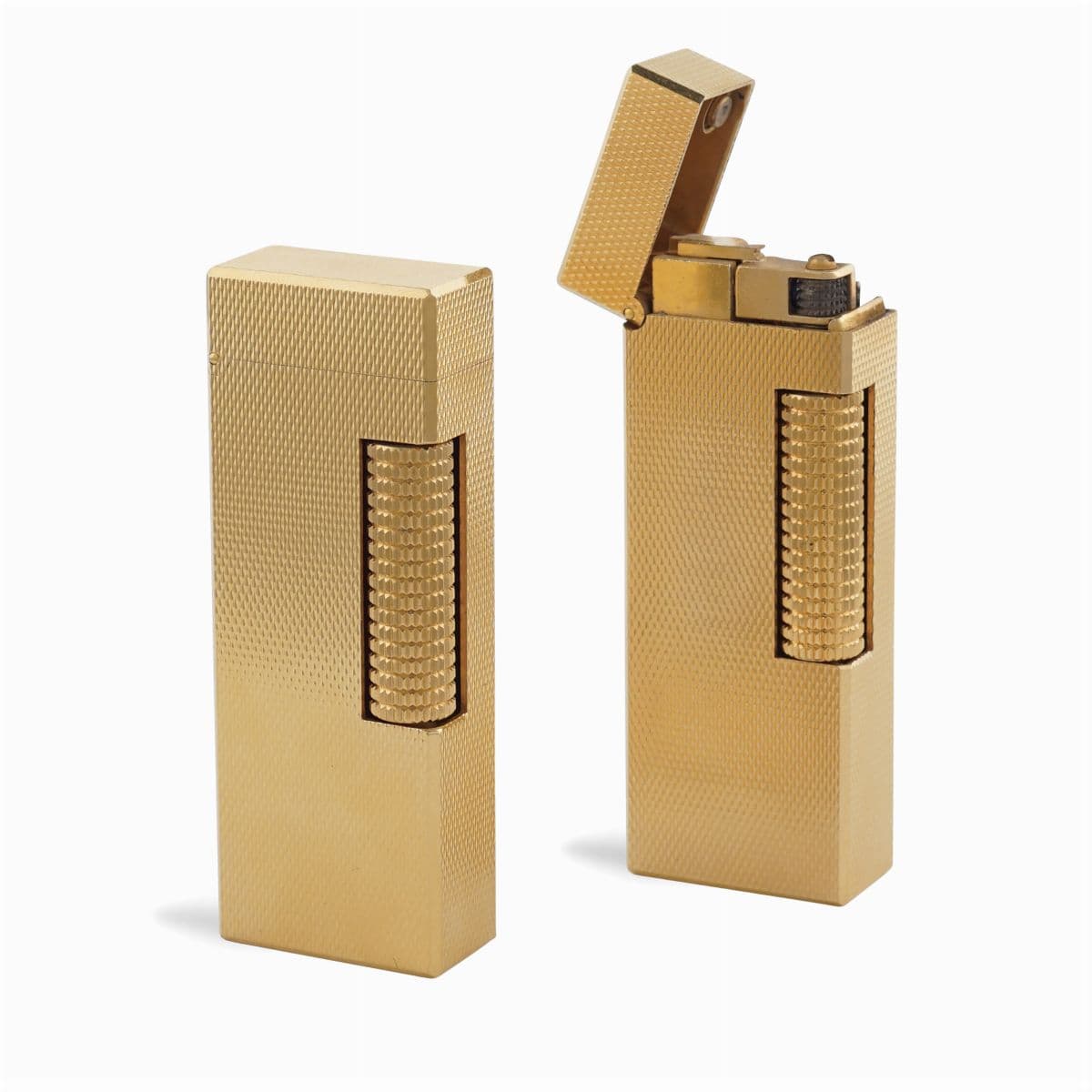
First-Time Lighter Buyer? Here's What You Need to Know
Entering the wholesale lighter market? This comprehensive guide covers everything from minimum order quantities and pricing to quality standards and supplier evaluation. Learn how to make informed purchasing decisions and avoid common pitfalls.
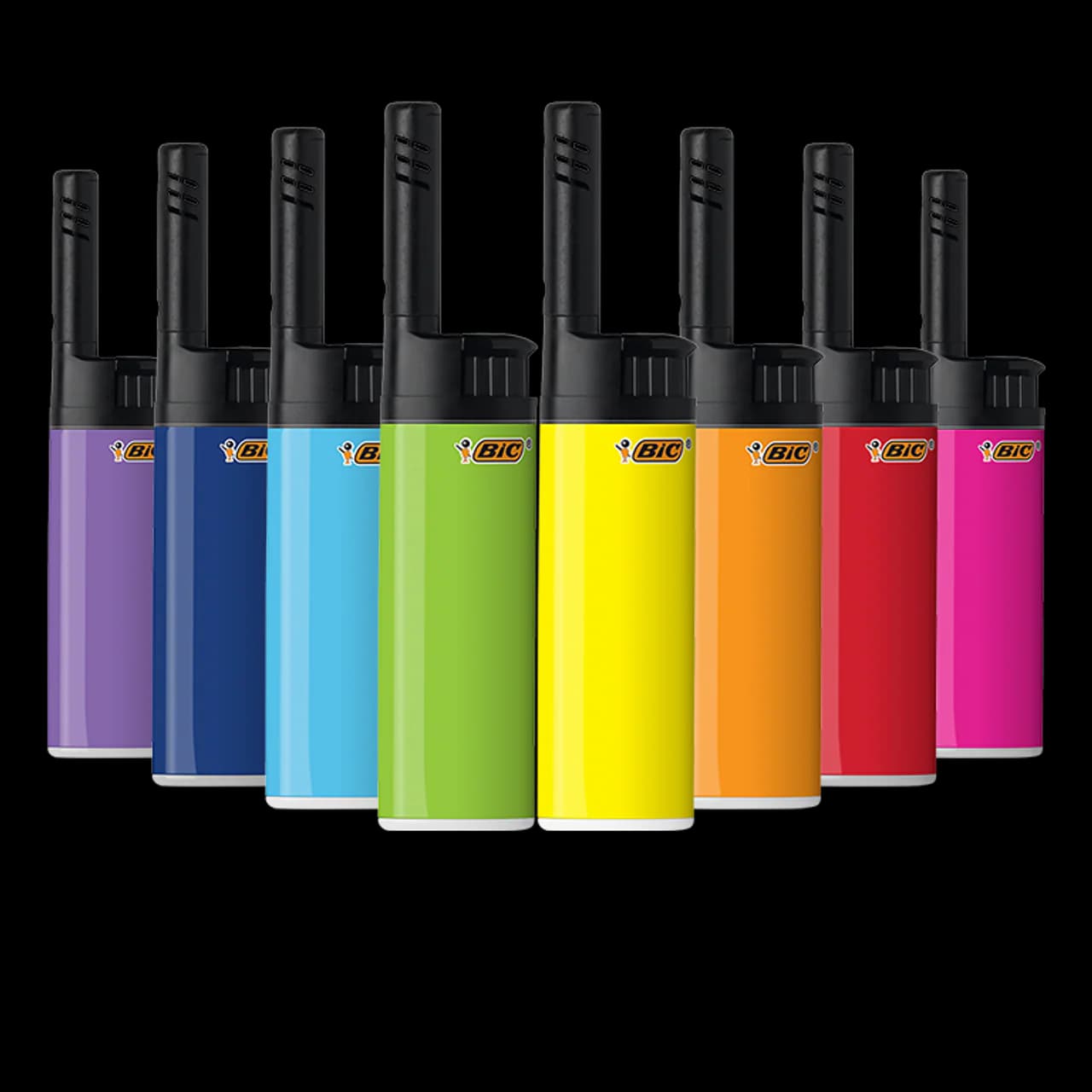
Wholesale Lighter Pricing: What Determines the Cost Per Unit?
Understanding wholesale lighter pricing requires analyzing multiple cost factors beyond the base unit price. Volume tiers, quality grades, and manufacturing locations significantly impact your final cost per unit.
How to Choose the Right Wholesale Lighter Supplier: Complete Guide
Choosing the wrong wholesale lighter supplier can cost thousands in defects and compliance issues. This comprehensive guide helps B2B buyers make informed decisions.