First-Time Lighter Buyer? Here's What You Need to Know
Entering the wholesale lighter market? This comprehensive guide covers everything from minimum order quantities and pricing to quality standards and supplier evaluation. Learn how to make informed purchasing decisions and avoid common pitfalls.
TL;DR
Successful wholesale lighter purchasing requires understanding MOQs (1,000-5,000 units for beginners), quality standards (CPSC, ASTM F400), and total landed costs (add 30-40% to FOB pricing). Start with proven products from reliable suppliers, factor in safety certifications, and plan orders 60-90 days ahead of peak seasons for optimal pricing and delivery.
How to Buy Wholesale Lighters: A Complete Guide for First-Time Buyers
Learning how to buy wholesale lighters requires understanding minimum order quantities, quality standards, supplier evaluation, and regulatory compliance. Most first-time buyers need 1,000-5,000 units to start, with prices ranging from $0.08-$15.00 per unit depending on type and customization.
The global lighter market reached $9.8 billion in 2023, with disposable lighters comprising 65-70% of unit volume. For B2B buyers, success depends on selecting the right products for your market while managing costs, quality, and compliance requirements effectively.
This guide covers essential knowledge for importers, distributors, convenience store chains, and promotional product companies looking to enter the wholesale lighter market or optimize their purchasing strategies.
Understanding Wholesale Lighter Types and Pricing
Different lighter categories serve distinct market segments with varying price points and profit margins. Understanding these differences helps you select products that align with your business model and customer expectations.
Price Ranges by Lighter Category
| Lighter Type | FOB Price Range | Typical MOQ | Lead Time | Target Market |
|---|---|---|---|---|
| Disposable Plastic | $0.08 - $0.25 | 10,000 - 50,000 | 15-25 days | Convenience stores, gas stations |
| Refillable Plastic | $0.30 - $1.50 | 5,000 - 20,000 | 20-30 days | Tobacco shops, promotional items |
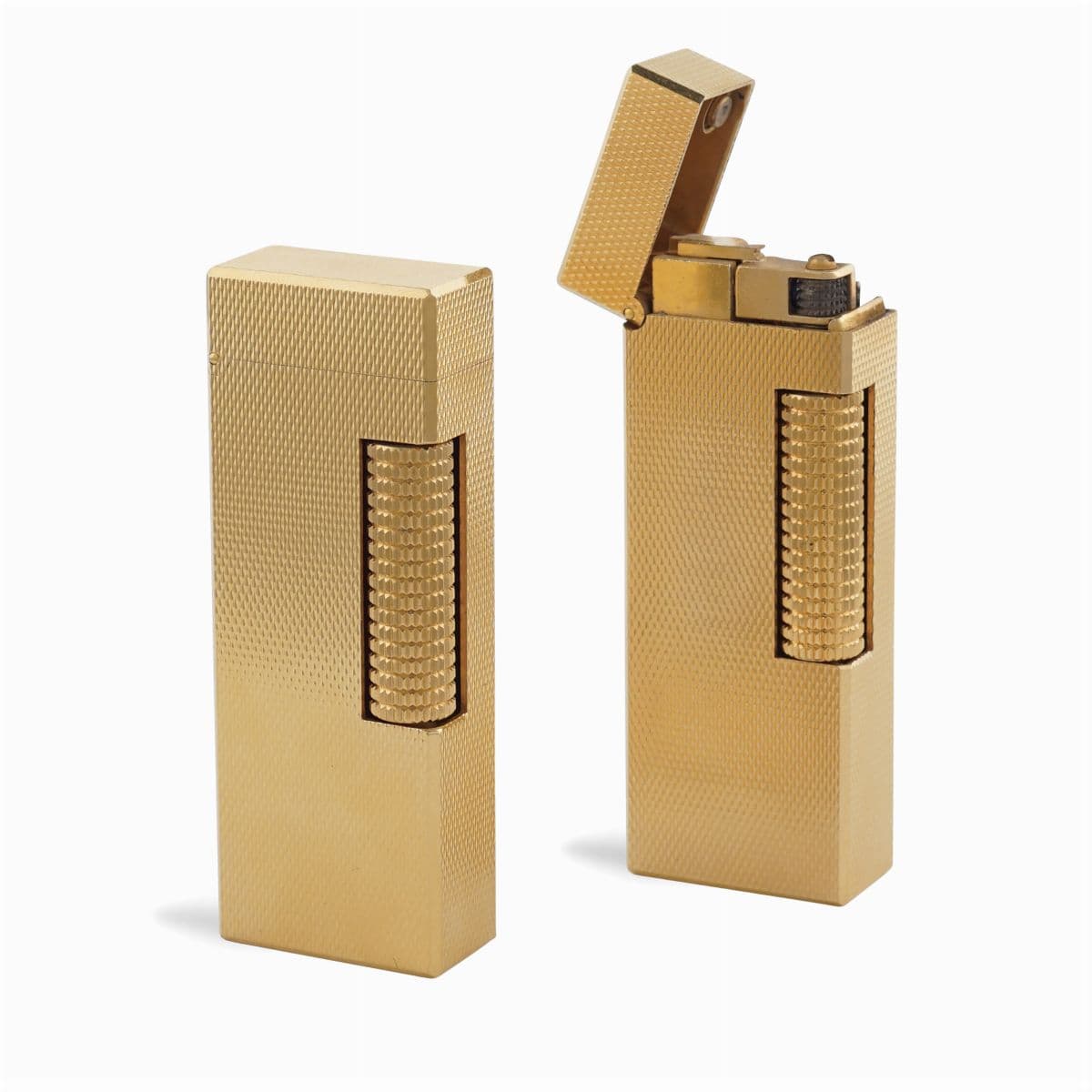
| Metal Lighters | $1.50 - $8.00 | 1,000 - 10,000 | 25-35 days | Gift shops, premium retail |
| BBQ/Torch Lighters | $2.00 - $12.00 | 1,000 - 5,000 | 30-40 days | Hardware stores, outdoor retail |
| Custom/Promotional | $0.15 - $3.00 | 5,000 - 25,000 | 45-60 days | Corporate gifts, events |
Disposable lighters offer the highest volume potential with lowest per-unit costs, while refillable models provide better profit margins. BBQ and torch lighters serve specialized markets with premium pricing opportunities.
Total Landed Cost Considerations
FOB pricing represents only 60-70% of your total cost. Factor in shipping (10-15%), customs duties (8.5% for most lighters), inspection fees (0.5-1%), and handling costs. A $0.10 FOB lighter typically costs $0.14-0.16 landed in the US.
Container economics significantly impact pricing. A 40-foot container holds 800,000-1.2 million disposable lighters, reducing per-unit shipping costs from $0.02 to $0.006. Regular importers achieve 15-25% better pricing through container-load purchasing.
Buying Lighters in Bulk: MOQ and Volume Requirements
Buying lighters in bulk starts with understanding minimum order quantities (MOQs) that vary by product type and customization level. Standard products typically require 1,000-5,000 units minimum, while custom designs need 10,000-50,000 pieces to justify tooling costs.
MOQ Strategy for Different Business Models
Convenience store chains benefit from high-volume disposable lighter purchases (50,000+ units) to achieve optimal pricing. Promotional product companies should focus on 5,000-15,000 unit orders for custom printing while maintaining inventory turnover.
New importers should start with proven products in smaller quantities (2,000-5,000 units) across multiple SKUs. This approach reduces risk while building supplier relationships and market knowledge. Avoid the common mistake of ordering below 1,000 units, which limits quality assessment and negotiation power.
Seasonal Demand Planning
Peak ordering periods occur March-May (summer preparation) and August-October (winter/holiday season). During these periods, expect 40-60% higher pricing and extended lead times. Smart buyers place orders 60-90 days ahead of peak seasons to secure better pricing and delivery slots.
Quality Standards and Safety Compliance
Quality standards ensure product safety, regulatory compliance, and customer satisfaction. Understanding key certifications and testing requirements protects your business from liability and returns while building customer trust.
Essential Safety Certifications
US market entry requires CPSC compliance (16 CFR 1210) for child-resistant mechanisms on disposable lighters. ASTM F400 certification ensures flame height, burn time, and ignition consistency meet safety standards. ISO 9994 provides international safety benchmarks accepted in most markets.
EU markets mandate CE marking with EN 13869 compliance. These certifications typically add $0.01-0.03 per unit to manufacturing costs but are essential for legal distribution in regulated markets.
Quality Control Metrics
Industry-acceptable defect rates are 0.3-0.5% for disposable lighters and 0.1-0.3% for refillable models. Specify AQL (Acceptable Quality Level) standards in purchase contracts: AQL 1.0 for critical defects (safety issues), AQL 2.5 for major defects (functionality), and AQL 4.0 for minor defects (appearance).
Pre-shipment inspection services from SGS, Bureau Veritas, or QIMA cost $200-400 per inspection but prevent costly quality issues. Random sampling should test ignition consistency (95% success rate minimum), flame height stability, and fuel capacity accuracy.
Wholesale Lighter Guide for Beginners: Supplier Evaluation
This wholesale lighter guide for beginners emphasizes supplier selection as the most critical success factor. Reliable suppliers provide consistent quality, competitive pricing, and dependable delivery while supporting your business growth with flexible terms and responsive service.
Factory Verification Checklist
Verify business licenses, export permits, and factory registrations through official government databases. Request certifications including ISO 9001 (quality management), BSCI (social compliance), and relevant safety standards. Third-party factory audits cost $800-1,500 but provide comprehensive facility assessments.
Check production capacity claims by reviewing equipment lists and monthly output reports. A legitimate factory producing 1 million lighters monthly should have 15-25 production lines with documented capacity utilization rates.
Financial Risk Assessment
New buyer payment terms typically require 30-50% deposits via wire transfer, with balance paid before shipping. Avoid suppliers demanding 100% prepayment, which indicates potential cash flow issues or fraudulent operations.
Trade assurance programs through Alibaba or letter of credit arrangements provide payment protection. After establishing relationships through 3-5 successful orders, negotiate improved terms like 30% deposit with 70% payment on delivery or 30-day credit terms.
Lighter Import Guide: Documentation and Logistics
Successful lighter import operations require proper documentation, customs classification, and shipping arrangements. Lighters are classified as dangerous goods (UN 1057) requiring special handling and documentation throughout the supply chain.
Required Import Documentation
Essential documents include commercial invoice, packing list, bill of lading, and dangerous goods declaration. Safety certifications (CPSC, CE, ISO 9994) must accompany shipments to prevent customs delays. Some markets require additional registrations like FDA establishment registration for certain lighter types.
Customs classification typically falls under HS code 9613.10 for pocket lighters or 9613.20 for gas lighters, with 8.5% duty rates in most countries. Verify current tariff schedules as trade policies change regularly.
Shipping and Insurance Considerations
Lighter shipments require dangerous goods certified carriers and special handling procedures. Sea freight costs $2,000-3,500 per 40-foot container from China to major US ports, while air freight costs $4.50-6.50 per kilogram with volume restrictions.
Marine cargo insurance typically costs 0.2-0.4% of shipment value and covers loss, damage, and general average claims. Consider comprehensive coverage including quality deterioration for extended transit times.
Market Positioning and Profitability
Successful wholesale lighter businesses understand their target market's needs, competitive landscape, and profit optimization strategies. Different channels require tailored product selections, pricing strategies, and service levels.
Channel-Specific Strategies
Convenience stores prioritize fast-turning disposable lighters with 200-400% markup potential. Focus on popular designs, reliable ignition, and competitive wholesale pricing under $0.15 per unit. Volume commitments of 25,000+ units monthly secure best pricing tiers.
Promotional product companies need customization capabilities, shorter lead times, and premium packaging options. Promotional lighters typically carry 300-600% markups, justifying higher wholesale costs for unique designs and custom printing.
Inventory Management Best Practices
Maintain 60-90 days inventory for fast-moving disposable lighters and 120-180 days for seasonal or promotional items. Use ABC analysis to focus on top 20% of SKUs generating 80% of revenue. Implement first-in-first-out rotation to prevent fuel degradation in stored inventory.
Consider consignment arrangements with major retail chains to reduce inventory investment while securing shelf space. Typical consignment terms include 90-day payment cycles with 2-3% handling fees.
Common Mistakes and How to Avoid Them
First-time buyers often make preventable mistakes that impact profitability, quality, and customer satisfaction. Learning from industry experience helps avoid costly errors and accelerates business success.
Quality vs. Price Balance
The "cheapest price equals best deal" misconception leads to quality issues, customer complaints, and damaged reputation. Mid-tier suppliers often provide better total value through consistent quality, reliable delivery, and responsive service. Factor in return rates, customer satisfaction, and repeat purchase probability when evaluating suppliers.
Calculate total cost of ownership including defect replacement costs (typically 2-5% of revenue for low-quality suppliers), customer service time, and lost sales from stockouts. Quality suppliers with 10-15% higher prices often deliver 20-30% better profitability through reduced operational costs.
Inadequate Sample Testing
Small sample orders (under 500 units) don't reflect actual production quality standards. Production line variations, material changes, and quality control differences only appear in larger batches. Order 1,000-2,000 samples for thorough testing including ignition consistency, fuel capacity, and durability assessments.
Test samples across multiple usage conditions including temperature extremes, altitude changes, and extended storage. Document performance metrics and compare against industry standards before placing production orders.
Getting Started: Your First Order Strategy
Starting your wholesale lighter business requires a systematic approach balancing risk management with market opportunity. Focus on proven products, reliable suppliers, and manageable order sizes while building industry knowledge and customer relationships.
Recommended First Order Approach
Begin with 2-3 SKUs from our product catalog in quantities of 2,000-5,000 units each. Mix disposable lighters (70% of order value) with one premium option (30%) to test different market segments. This approach provides adequate volume for quality assessment while limiting financial exposure.
Request samples of your selected products and compare performance against competitor products available in your target market. Document ignition rates, flame consistency, and burn time to establish quality baselines for future orders.
Building Supplier Relationships
Successful long-term partnerships start with clear communication, realistic expectations, and mutual benefit. Share your business plans, growth projections, and quality requirements with potential suppliers. Reliable suppliers invest in customer relationships by providing market insights, product development support, and flexible terms.
Schedule regular communication intervals (weekly during initial orders, monthly for ongoing relationships) to discuss performance, address issues, and plan future requirements. Document all agreements in writing and maintain detailed records of quality metrics, delivery performance, and service levels.
Ready to start your wholesale lighter business? Request a quote for your specific requirements or explore our complete product catalog to identify the best options for your market.
Frequently Asked Questions
What's the minimum order quantity for wholesale lighters?
Minimum order quantities vary by product type: standard disposable lighters typically require 1,000-5,000 units, while custom designs need 10,000-50,000 pieces. Refillable and metal lighters often have lower MOQs of 1,000-3,000 units. Starting with 2,000-5,000 units across 2-3 SKUs provides adequate volume for quality assessment while managing risk.
How much should I expect to pay for wholesale lighters?
Wholesale lighter prices range from $0.08-0.25 for disposable plastic lighters to $1.50-8.00 for metal models. Remember that FOB prices represent only 60-70% of total landed cost - factor in shipping (10-15%), customs duties (8.5%), and handling fees. A $0.10 FOB lighter typically costs $0.14-0.16 delivered to your location.
What safety certifications do I need for importing lighters?
US imports require CPSC compliance (16 CFR 1210) for child-resistant mechanisms and ASTM F400 safety certification. EU markets need CE marking with EN 13869 compliance. ISO 9994 provides internationally recognized safety standards. These certifications add $0.01-0.03 per unit but are essential for legal distribution and liability protection.
How do I verify a lighter supplier's reliability?
Verify business licenses, export permits, and safety certifications through official databases. Request factory audits from SGS or Bureau Veritas ($800-1,500). Check production capacity claims and review customer references. Use trade assurance programs or letters of credit for payment protection. Avoid suppliers demanding 100% prepayment or offering prices significantly below market rates.
What's the typical lead time for wholesale lighter orders?
Standard lighter orders require 15-30 days production time, while custom designs need 45-60 days including sample approval. Add 15-35 days for sea freight shipping or 3-7 days for air freight. Plan orders 60-90 days ahead of peak seasons (summer and winter holidays) when lead times extend 40-60% due to increased demand.
About the Author
Daniel Ferreira
Wholesale Lighter Industry Analyst
Daniel covers lighter market trends and supply-chain dynamics. With a background in B2B trade analysis, he helps buyers navigate the wholesale lighter landscape.
Related Articles
Wholesale Lighter Pricing: What Determines the Cost Per Unit?
Understanding wholesale lighter pricing requires analyzing multiple cost factors beyond the base unit price. Volume tiers, quality grades, and manufacturing locations significantly impact your final cost per unit.
Understanding Lighter MOQs: A Complete Buyer's Guide
Navigate wholesale lighter minimum order quantities with confidence. This comprehensive guide covers MOQ ranges, negotiation tactics, and hidden costs to help you secure the best deals.
How to Choose the Right Wholesale Lighter Supplier: Complete Guide
Choosing the wrong wholesale lighter supplier can cost thousands in defects and compliance issues. This comprehensive guide helps B2B buyers make informed decisions.