EN 13869: EU Child-Resistant Lighter Requirements Guide
EN 13869 mandates child-resistant mechanisms on all disposable and novelty lighters sold in the EU since 2008. This comprehensive guide covers compliance requirements, testing procedures, and costs for importers entering the European market.
TL;DR
EN 13869 mandates child-resistant mechanisms on all EU disposable and novelty lighters since 2008, requiring 15N operating force and 85% child resistance rates. Compliance adds €0.08-0.15 per unit cost plus €8,000-15,000 certification expenses, but enables access to premium EU markets with reduced competition from non-certified suppliers.
What is EN 13869 and Why Does It Matter for Lighter Importers?
EN 13869 child resistant lighter requirements have been mandatory across all EU member states since March 11, 2008, fundamentally transforming the European lighter market. This European standard mandates that all disposable and novelty lighters must incorporate child-resistant mechanisms that prevent children under 51 months from easily operating the device.
For B2B buyers importing lighters into the EU, EN 13869 compliance isn't optional—it's a legal requirement that affects approximately 75% of EU lighter imports, representing an estimated €180-220 million annual wholesale market value. Non-compliance results in immediate customs detention, potential fines of €10,000-50,000, and costly product recalls.
The standard works in conjunction with EN ISO 9994 general safety requirements and EU Decision 2006/502/EC, creating a comprehensive regulatory framework that prioritizes child safety while maintaining adult accessibility. Understanding these requirements is crucial for any business looking to import disposable lighters or promotional lighters into European markets.
Do Lighters Need to Be Child-Resistant in the EU?
Yes, all disposable lighters and novelty lighters sold in the EU must meet EN 13869 child resistant lighter requirements. This mandatory regulation applies to any lighter with a fuel capacity under 2 grams or designed for single-use applications, covering the vast majority of wholesale lighter categories.
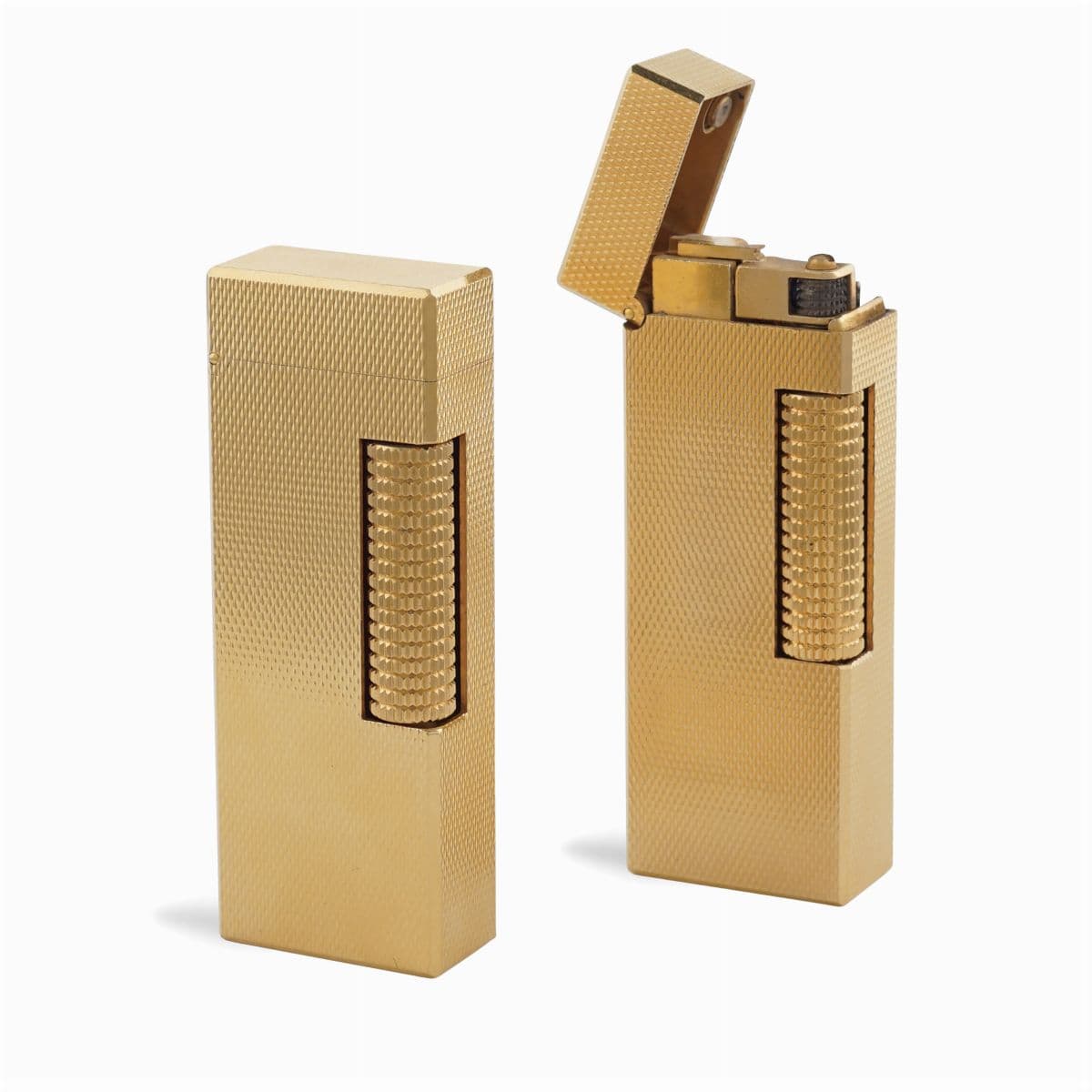
However, several important exemptions exist that affect B2B sourcing strategies. Luxury lighters with retail prices exceeding €2, utility lighters with extended reach mechanisms, and certain professional-use torches may qualify for exemptions under specific conditions. Torch lighters used for industrial applications and refillable lighters above certain price thresholds often fall outside the scope.
The regulation specifically targets products most likely to be accessible to children, making compliance essential for convenience store chains, promotional product companies, and distributors serving consumer markets. Understanding which products require compliance helps buyers optimize their procurement strategies and avoid costly compliance mistakes.
Covered Product Categories
- Disposable butane lighters under 2g fuel capacity
- Novelty lighters with decorative designs
- Promotional lighters distributed as marketing items
- Multi-purpose lighters sold in consumer retail channels
EN 13869 Technical Requirements and Testing Standards
EN 13869 child resistant lighter mechanisms must require a minimum operating force of 15 Newtons (approximately 3.4 lbs) to activate, measured during the complete ignition sequence. This represents a significant increase from standard lighters, which typically require only 5-8N operating force, making the devices substantially more difficult for young children to operate.
The testing protocol involves children aged 42-51 months in controlled laboratory conditions, with each child given a standardized 5-minute test period to attempt lighter operation. To achieve certification, 85% of test children must be unable to operate the lighter within this timeframe, while 95% of adults aged 18-65 must successfully operate the device within 10 seconds.
Child-resistant mechanisms typically incorporate two-step ignition processes, safety switches, or increased activation pressure requirements. Common designs include thumb-wheel guards, push-and-turn mechanisms, or dual-action triggers that require simultaneous operation of multiple controls.
Key Performance Metrics
| Requirement | Standard Specification | Testing Method |
|---|---|---|
| Minimum Operating Force | 15 Newtons (3.4 lbs) | Force measurement during ignition |
| Child Resistance Rate | 85% failure rate (42-51 months) | 5-minute supervised testing |
| Adult Accessibility | 95% success rate (18-65 years) | 10-second operation test |
| Mechanism Durability | 1,000 operation cycles | Automated cycling test |
Certification Process and Timeline for EU Compliance
Obtaining EN 13869 certification requires working with accredited testing laboratories such as TÜV, SGS, or Intertek, with complete certification typically taking 12-16 weeks for new lighter models. The process begins with technical documentation review (2-4 weeks), followed by child panel testing requiring recruitment of specific age groups (6-8 weeks), and concludes with documentation and certification issuance (2-4 weeks).
Initial certification testing costs range from €8,000-15,000 per lighter model, with annual surveillance testing adding €2,000-4,000 ongoing costs. First-time manufacturers unfamiliar with EU regulations should plan 20+ weeks for the complete process, including potential design modifications identified during initial testing phases.
The certification process requires substantial documentation including technical drawings, material specifications, quality control procedures, and manufacturing process descriptions. Changes to certified designs, even minor modifications, may require re-testing depending on the scope of alterations and testing laboratory assessment.
Certification Documentation Requirements
- Technical drawings with dimensional specifications
- Material composition and safety data sheets
- Manufacturing process flow documentation
- Quality control testing procedures
- Child-resistant mechanism operation instructions
- Adult accessibility validation testing
Cost Impact Analysis for Wholesale Buyers
Child-resistant mechanisms typically add €0.08-0.15 per unit to manufacturing costs for disposable lighters, representing a 15-25% increase in base production costs. However, this cost impact varies significantly based on order volumes, mechanism complexity, and manufacturer experience with EN 13869 compliance requirements.
Minimum order quantities increase substantially for compliant lighters, with child-resistant mechanism tooling requiring 50,000-100,000 unit orders to justify setup costs. Most certified manufacturers require minimum orders of 100,000-500,000 units for custom designs, compared to 10,000-50,000 for standard lighters, favoring larger importers and standardized product lines.
The total cost of compliance includes certification expenses, increased unit costs, higher minimum orders, and ongoing surveillance testing. For high-volume importers, these costs are offset by premium pricing in compliant markets and reduced risk of customs detention or regulatory penalties.
Cost Breakdown by Order Volume
| Order Quantity | Unit Cost Increase | Certification Cost per Unit | Total Additional Cost |
|---|---|---|---|
| 100,000 units | €0.12 | €0.10 | €0.22 |
| 250,000 units | €0.10 | €0.04 | €0.14 |
| 500,000 units | €0.09 | €0.02 | €0.11 |
| 1,000,000 units | €0.08 | €0.01 | €0.09 |
Supply Chain Management for Compliant Lighters
Vendor qualification for EN 13869 compliance requires thorough assessment of manufacturer capabilities, testing infrastructure, and quality management systems. Many suppliers, particularly in Asian markets, claim compliance without proper certification, leading to 15-20% rejection rates at EU borders for first-time importers working with unverified manufacturers.
Establishing robust quality control protocols includes regular batch testing, mechanism functionality verification, and ongoing compliance monitoring. Random market surveillance testing occurs regularly in EU markets, making consistent quality control essential for avoiding penalties and maintaining market access.
Successful compliance strategies involve working with established manufacturers who understand EU regulations, implementing pre-shipment inspection protocols, and maintaining detailed documentation for customs clearance. Our product catalog features verified compliant manufacturers with established EN 13869 certification histories.
Vendor Qualification Checklist
- Current EN 13869 certification documentation
- Testing laboratory accreditation verification
- Quality management system certification (ISO 9001)
- Manufacturing facility inspection reports
- Previous EU market compliance history
- Technical support and documentation capabilities
Market Opportunities and Competitive Advantages
EN 13869 compliance creates significant market opportunities for importers willing to invest in proper certification and quality systems. Compliant lighters command premium pricing in EU markets, with distributor margins typically 20-30% higher than non-regulated markets due to reduced competition and regulatory barriers.
The compliance requirement effectively eliminates low-cost, non-certified competitors, creating more stable market conditions for established importers. Convenience store chains and promotional product companies increasingly prefer working with suppliers who can guarantee EN 13869 compliance, reducing their regulatory risk and simplifying procurement processes.
Building expertise in EU lighter regulations positions companies for expansion into other regulated markets, including North America (CPSC 16 CFR 1210) and other international markets adopting similar child safety requirements. This regulatory knowledge becomes a competitive advantage in global lighter distribution.
Common Compliance Mistakes and How to Avoid Them
The most costly mistake involves assuming initial certification covers all future shipments without ongoing quality monitoring. Design changes, manufacturing process modifications, or component substitutions can void existing certifications, requiring complete re-testing that delays shipments and increases costs.
Another frequent error involves working with manufacturers who don't fully understand EN 13869 technical requirements, particularly the precise force measurements and child testing protocols. This leads to products that fail compliance testing after significant investment in tooling and initial production runs.
Importers often underestimate the documentation requirements for customs clearance, leading to shipment delays even with properly certified products. Maintaining complete technical files, certification documents, and quality control records prevents customs complications and demonstrates regulatory compliance.
Risk Mitigation Strategies
- Conduct pre-production compliance verification testing
- Implement change control procedures for certified designs
- Maintain relationships with accredited testing laboratories
- Establish quality agreements with certified manufacturers
- Develop comprehensive documentation management systems
Future Regulatory Trends and Market Evolution
EU lighter regulations continue evolving, with increasing focus on environmental sustainability, material safety, and expanded child protection measures. Proposed amendments to EN 13869 may include stricter age testing protocols, enhanced durability requirements, and additional safety mechanisms for specialty lighter categories.
The regulatory framework increasingly influences global lighter design standards, with manufacturers developing products that meet multiple international requirements simultaneously. This trend toward harmonized global standards simplifies compliance for international distributors while maintaining high safety standards.
Market surveillance activities are intensifying, with automated testing equipment enabling more frequent compliance verification and faster detection of non-compliant products. Importers must prepare for increased scrutiny and higher compliance standards in future regulatory updates.
For businesses ready to enter the compliant EU lighter market, request a quote to discuss your specific requirements and compliance strategy with our regulatory experts.
Frequently Asked Questions
What's the typical timeline for getting a new lighter model EN 13869 certified?
Complete EN 13869 certification typically takes 12-16 weeks: 2-4 weeks for initial technical review, 6-8 weeks for child panel testing (requires recruiting specific age groups), and 2-4 weeks for documentation and certification issuance. Plan 20+ weeks for first-time manufacturers unfamiliar with the process, including potential design modifications identified during initial testing phases.
Can we modify an existing certified lighter design without re-testing?
Minor cosmetic changes like colors or graphics typically don't require re-testing if the child-resistant mechanism remains identical. However, any changes to size, shape, mechanism design, or operating force require full re-certification costing €8,000-15,000. The testing laboratory makes the final determination on whether changes are considered 'substantial' under EN 13869 standards.
What happens if our shipment fails customs inspection for EN 13869 compliance?
Non-compliant products are detained at the border with three options: return to origin (importer pays shipping), destruction (fees €2-5 per unit plus handling), or re-export to non-EU markets. Additionally, expect 6-12 month delays for future shipments as you'll be flagged for enhanced screening, significantly impacting your import operations.
Is there a minimum order quantity impact when sourcing compliant lighters?
Yes, significantly. Child-resistant mechanism tooling requires 50,000-100,000 unit minimum orders to justify setup costs. Most certified manufacturers require 100,000-500,000 units for custom designs, compared to 10,000-50,000 for standard lighters. This favors larger importers and standardized designs over small custom orders.
How much do child-resistant mechanisms add to lighter costs?
Child-resistant mechanisms add €0.08-0.15 per unit to manufacturing costs, representing a 15-25% increase in base production costs. Combined with certification expenses (€8,000-15,000 per model) and higher minimum orders, total additional costs range from €0.09-0.22 per unit depending on volume, with larger orders achieving better cost efficiency.
About the Author
Daniel Ferreira
Wholesale Lighter Industry Analyst
Daniel covers lighter market trends and supply-chain dynamics. With a background in B2B trade analysis, he helps buyers navigate the wholesale lighter landscape.
Related Articles
Shipping Lighters Internationally: Hazmat Classification Guide
Navigate international lighter shipping regulations with our comprehensive hazmat classification guide. Learn UN standards, documentation requirements, and cost-effective strategies for bulk imports.
ASTM F400: Complete US Lighter Safety Compliance Guide 2026
Navigate ASTM F400 lighter safety requirements with confidence. This comprehensive guide covers testing procedures, compliance costs, and documentation needed for successful US market entry.
ISO 9994 Explained: The International Lighter Safety Standard
ISO 9994 is the global safety standard that ensures lighters meet critical performance and safety requirements. Understanding this certification is essential for B2B buyers seeking compliant products for international markets.